
How Criminal Lawyers Build a Strong Defense Strategy
In the complex world of criminal law, defense attorneys play a critical role in ensuring justice is served. Building a strong defense strategy is key to navigating legal challenges and safeguarding the rights of the accused. Navigating the intricacies of developing an effective strategy requires the insight of a dedicated criminal defense attorney. From understanding the charges to presenting the case in court, each step requires careful consideration and a deep understanding of legal frameworks. A well-crafted approach not only helps in countering the prosecution's case but also in potentially mitigating the consequences for the defendant.
Analyzing the Charges and Legal Frameworks
The first step in building a defense strategy involves thoroughly reviewing the accusations. A defense attorney must dissect each charge against their client to understand its implications, potential penalties, and historical context. Interpreting statutes is vital for contextualizing the charges within the broader legal framework, as each statute may contain nuances that can influence the direction of a case. By understanding how statutes have been applied in past cases, lawyers can better predict how a judge might rule, helping to anticipate potential arguments and counterarguments.
Another key legal consideration is identifying defenses and protections available to the accused, which may involve constitutional protections such as those related to search and seizure or the right to a fair trial. Skilled attorneys will explore every possible legal defense, examining how each might align with the specifics of the case. Furthermore, evaluating the prosecution's evidence is a critical component of building a defense, which begins with a detailed review of all physical evidence, witness statements, and forensic reports. Each piece must be scrutinized for its legality, relevance, and reliability to identify inconsistencies, errors, or procedural violations.
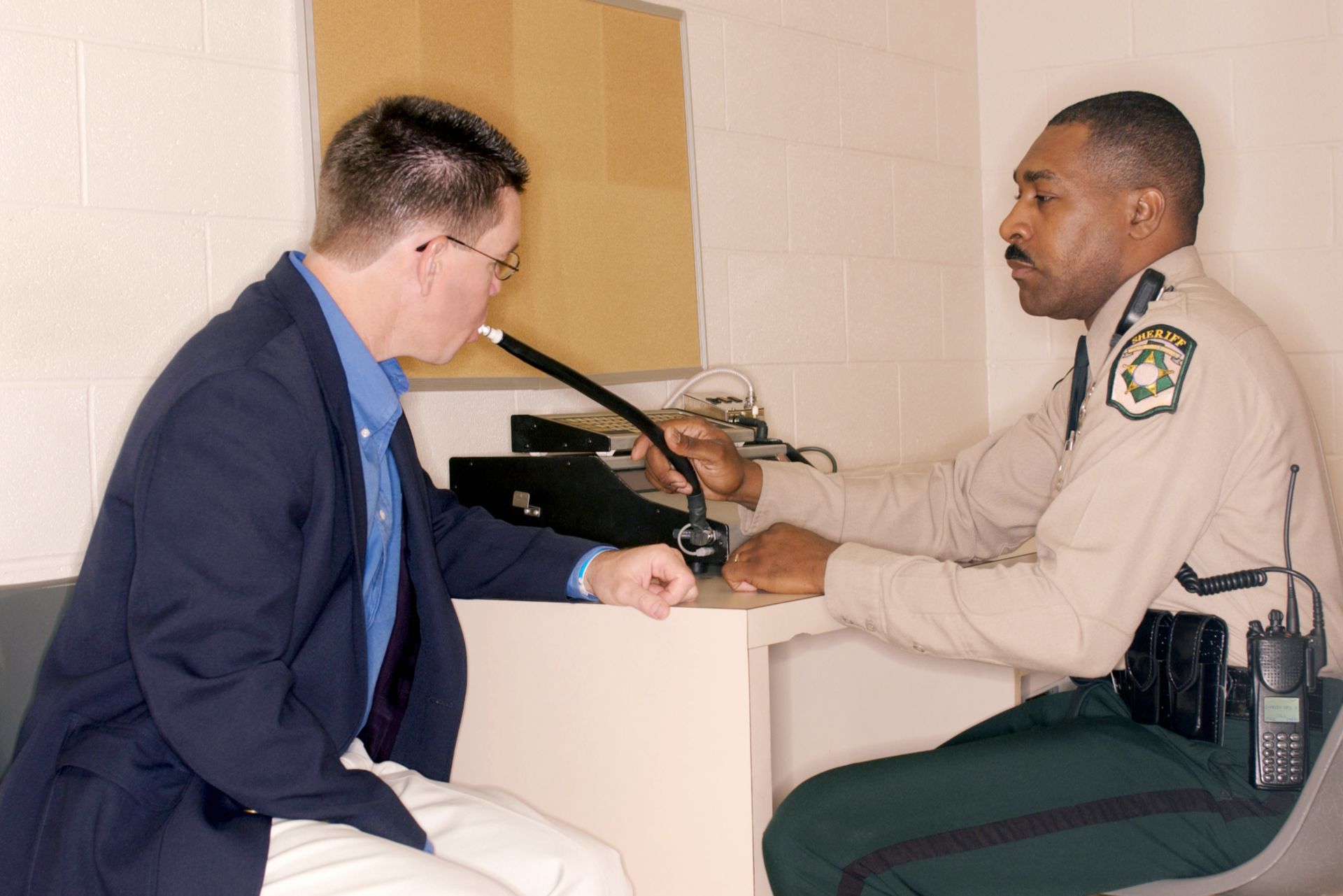
Consulting with legal experts forms a cornerstone of comprehensive planning, providing critical insights that extend beyond general legal knowledge. These specialists may assist in reviewing the prosecution's evidence, particularly in complicated cases involving technical or scientific elements. For example, in cases involving car accidents, experts may analyze crash data or evaluate the reliability of blood alcohol tests. According to the National Highway Traffic Safety Administration, almost two times as many alcohol-related fatal car crashes occur over the weekend. Incorporating expert analysis and statistics ensures a deeper, more nuanced approach to building a robust strategy.
Gathering Facts and Interviewing Clients
The initial client consultation is a pivotal moment where establishing trust and open communication is key. An experienced criminal defense attorney must build rapport with clients to create an environment where they feel comfortable sharing sensitive information. This relationship lays the foundation for gathering the most accurate version of events from the client's perspective, ensuring ongoing cooperation, which is essential for developing an effective defense. Open communication also allows clients to express any concerns, questions, or additional details they might have, allowing the legal team to address potential weaknesses before they are exposed in court.
Collecting the client's version of events provides the basis for understanding the facts of the case and the circumstances of the allegations. Legal professionals meticulously document these accounts, paying close attention to details and any corroborating evidence the client can provide, which helps identify discrepancies or alignments with the prosecution's narrative. Interviews are conducted with precision and sensitivity to ensure clients are comfortable while sharing their stories. During this process, lawyers evaluate the credibility of the account, considering both corroborative evidence and conflicting information to anticipate challenges and sustain the integrity of the case.
Investigating Evidence and Securing Witnesses
Collecting witness statements is a core element of a thorough defense investigation, as potential witnesses may provide accounts that support the client's case or undermine the prosecution's narrative. Attorneys identify and interview individuals who can offer valuable testimony regarding the facts and context of the case. Gathering these statements involves cataloging favorable testimonies and understanding the potential challenges witnesses might face during cross-examination. A comprehensive witness strategy is built upon detailed interviews and careful selection, ensuring witness credibility and relevance to the case.
The analysis of physical evidence is a meticulous process where each piece of evidence must be scrutinized to determine its validity, relevance, and potential impact on the case. Forensic analysis might include DNA testing, examining fingerprints, or scrutinizing digital data stored on electronic devices. Attorneys collaborate with forensic experts to accurately interpret these findings, aiming to challenge the prosecution's evidence, affirm the client's narrative, or discover previously traffic-related or analytical details that add value to the defense. In-depth analysis often uncovers inconsistencies, such as contradictory timelines or erroneous lab results, which can cast doubt on the opposition's claims.
Securing expert witnesses is crucial, especially in cases with complex or technical evidence. These experts are called upon to provide authoritative opinions that clarify intricate issues for the jury, offering unbiased explanations of evidence or situational context. Experts in fields such as forensics, psychology, or accident reconstruction often play pivotal roles in shaping case outcomes. Once identified, experts are thoroughly briefed on the case particulars to ensure their analyses align with the objectives, working closely with the criminal defense attorney to prepare for court and rehearse their testimony for maximum clarity and impact.
Challenging Admissibility and Filing Motions
Challenging evidence admissibility is a persistent effort in a well-crafted defense strategy. It encompasses scrutinizing every piece of evidence for its legality, authenticity, and adherence to procedural standards. During the investigation, attorneys consider the chain of custody and any forensic procedures employed by law enforcement. If physical items or statements were obtained illegally or without a proper chain of custody, they may be excluded from trial. Defense attorneys must have a keen eye for such issues, potentially filing formal motions to suppress improperly obtained evidence to protect constitutional rights.
Filing pre-trial motions is a powerful mechanism used to shape the legal landscape before a trial even begins. Beyond motions to suppress evidence, an experienced criminal defense attorney may file motions to dismiss charges entirely if there is a lack of probable cause or insufficient evidence to sustain the prosecution. Other common pre-trial applications include motions to discover hidden evidence, requests for a change of venue due to prejudicial publicity, or motions to separate multiple charges. These actions require extensive legal research and persuasive writing, serving to narrow the scope of the trial and expose vulnerabilities in the prosecution's case.
Negotiating Pleas and Presenting in Court
Engaging in plea negotiations is often a strategic choice that can result in a highly favorable outcome without the uncertainty of a trial. A skilled criminal defense attorney evaluates the strength of the state's case against the available defense evidence to determine if a plea agreement is in the client's best interest. Negotiations with prosecutors can lead to reduced charges, lesser penalties, or alternative sentencing options like probation or diversion programs. This process requires a balance of assertiveness and legal leverage, ensuring the client's rights and future opportunities are protected throughout the deal.
Presenting the case in court requires a seamless blend of legal expertise, storytelling, and persuasive advocacy. During the trial phase, the defense delivers opening statements, cross-examines prosecution witnesses, and introduces favorable physical or testimonial evidence. The objective is to establish reasonable doubt in the minds of the jurors or judge, dismantling the prosecution's narrative step by step. Every argument made and question asked is calibrated to support the core defense theory, ensuring that the presentation remains cohesive, compelling, and firmly grounded in constitutional protections.
Formulating a tailored defense strategy is an ongoing and dynamic process that demands meticulous preparation, investigative diligence, and sharp courtroom advocacy. From the initial consultation to the final verdict or plea agreement, a criminal defense attorney works to protect the accused and uphold the integrity of the judicial system. For more information about the services that we offer, reach out to our incredible team at Pratt & Wall today!








Share On: